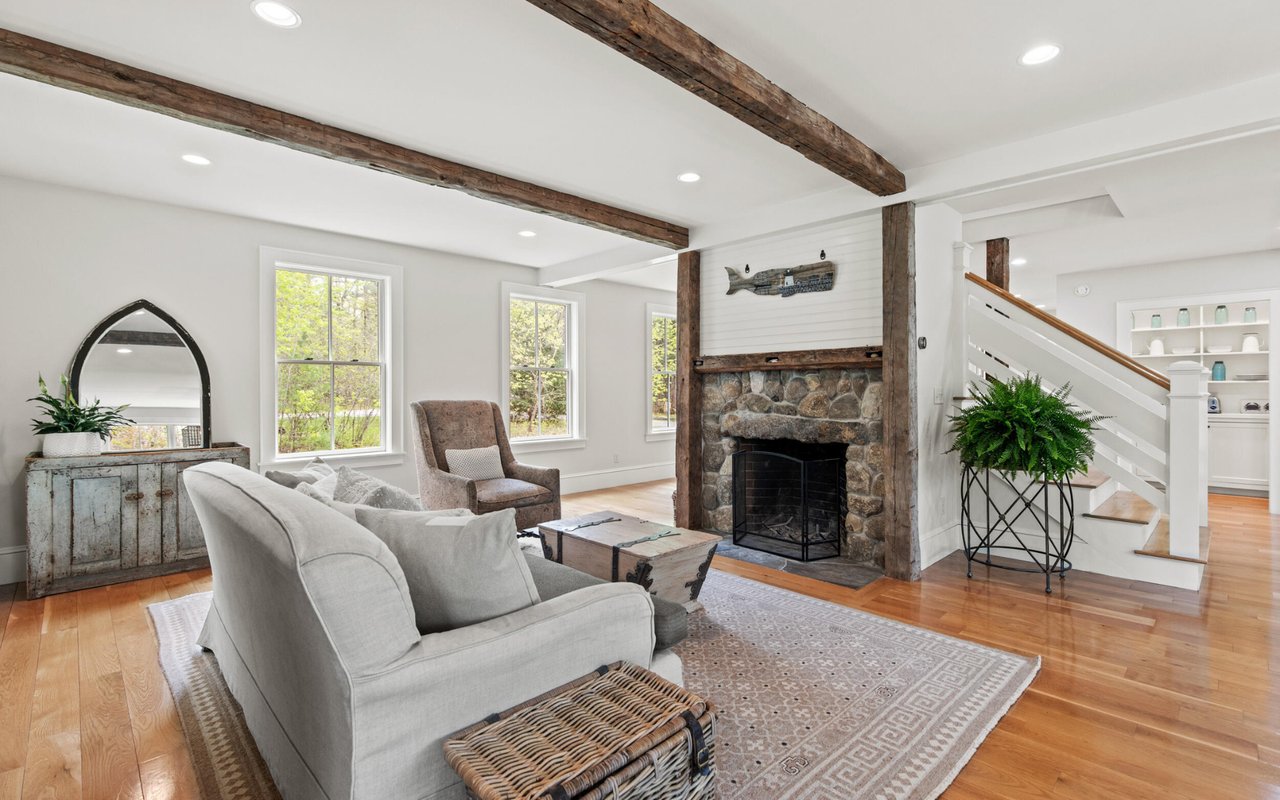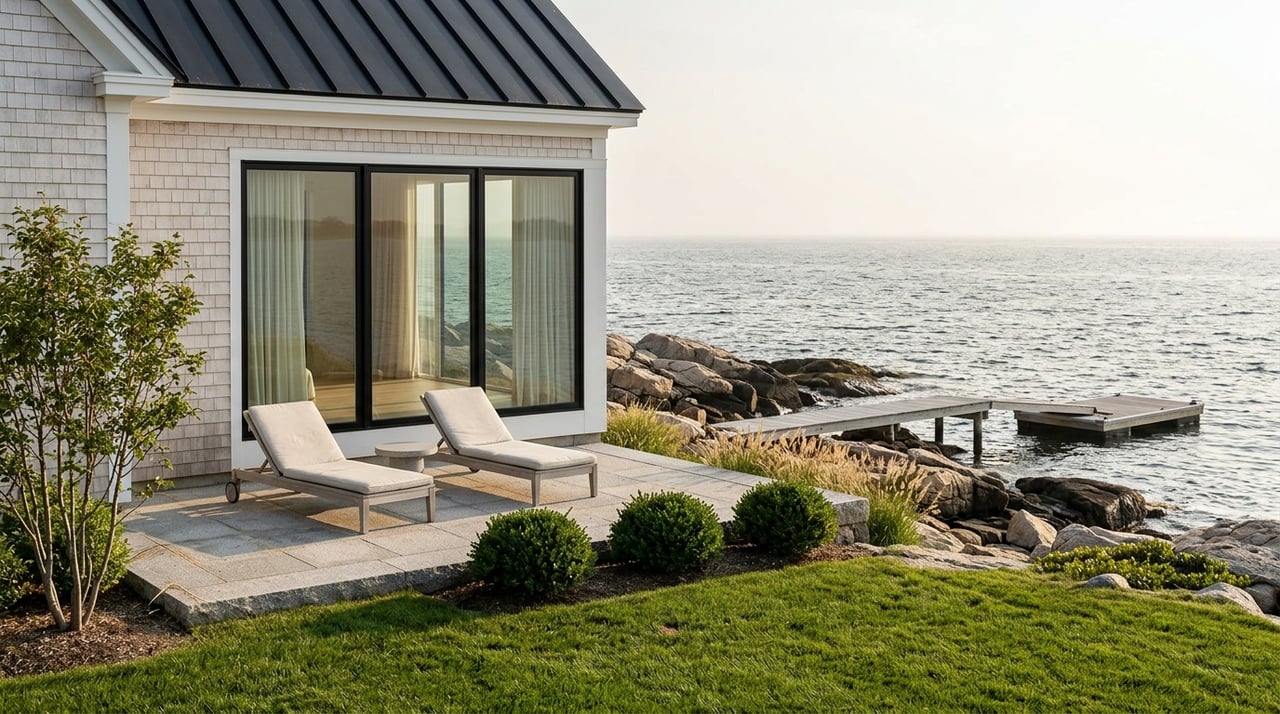
If you are drawn to Yarmouth, chances are you are choosing between two very different ways to live in the same town. One side of Yarmouth puts you closer to Main Street, daily errands, and a village-style rhythm. The other pulls you toward the harbor, bridges, and Casco Bay access. This guide will help you compare the in-town and coastal sides of Yarmouth so you can focus on the setting that fits your life best. Let’s dive in.
Yarmouth Has Two Distinct Lifestyles
Yarmouth’s 2024 comprehensive plan describes the town’s historic village along Main Street as its social and civic center. That area includes businesses, restaurants, schools, historic buildings, walking and biking paths, Royal River Park, and older residential neighborhoods with a denser pattern.
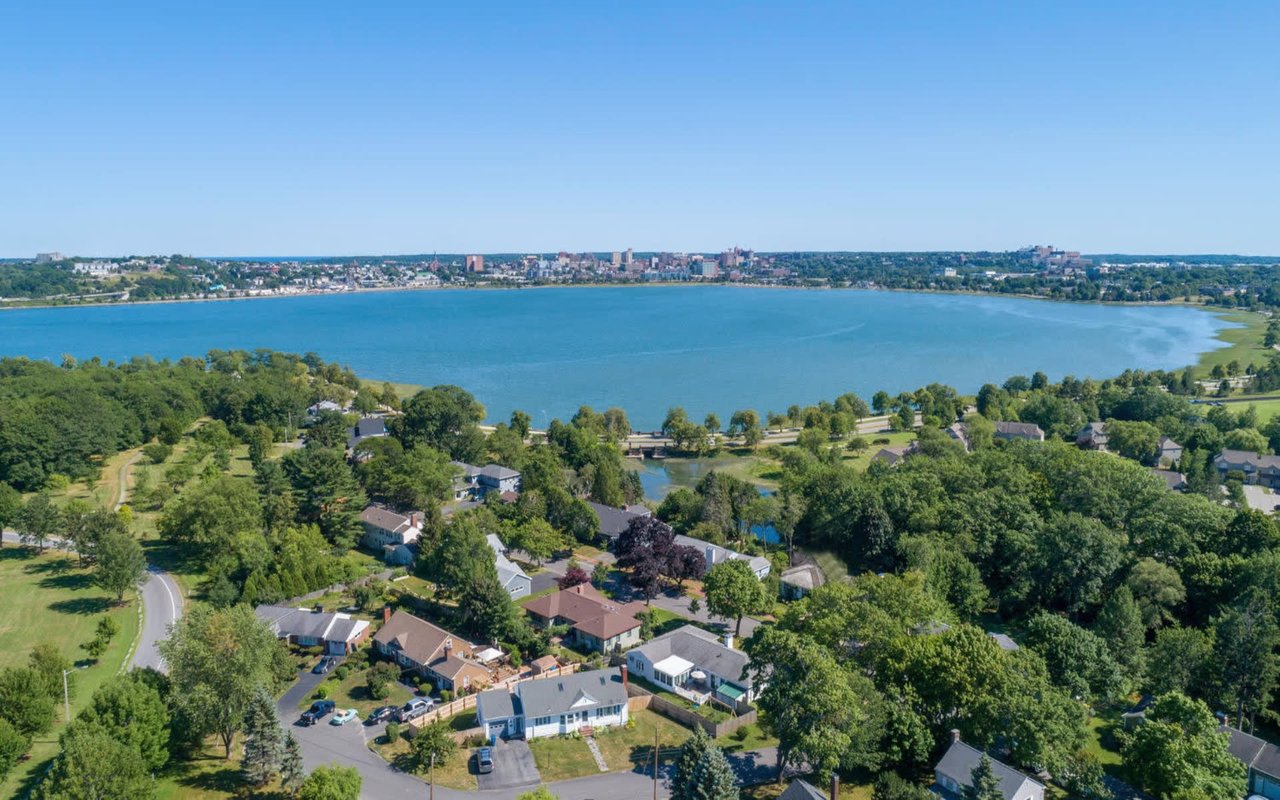
At the same time, Yarmouth also has a strong coastal identity. The town includes Cousins Island and Littlejohn Island as year-round island communities reached by bridge, along with marine access points tied to the Royal River harbor and Casco Bay.
That contrast is what makes the town so appealing. You are not just choosing a home. You are choosing whether your daily routine feels more village-centered or more water-centered.
What In-Town Yarmouth Feels Like
In-town Yarmouth is anchored by Main Street and downtown. According to the town’s planning work, this is the most mixed-use part of Yarmouth, where homes, offices, shops, restaurants, and civic buildings all sit close together.
For many buyers, that means convenience is the biggest draw. The town’s downtown study highlights a park-once-and-walk pattern, along with pedestrian connections and bike access, which makes this side of town a natural fit if you want more of your day to happen on foot or by bike.
The village also connects you to many of Yarmouth’s most visible amenities. The comprehensive plan points to Main Street businesses, Royal River Park, schools, and public spaces as key parts of the village environment.
It is also worth noting that the village may feel broader than you expect. The town says the real-life village boundary extends beyond what current zoning labels might suggest, so some homes that do not look “downtown” on paper may still function very much like in-town locations.
Everyday Benefits of In-Town Living
If you are considering the in-town side, these are often the biggest advantages:
- Easier access to shops, restaurants, and civic spaces
- A more walkable and bikeable daily routine
- Close connection to Royal River Park and village amenities
- Access to the METRO BREEZ stop at Yarmouth Town Hall for regional travel
- A neighborhood pattern that often feels more compact and connected
For buyers who want a lower-driving lifestyle, these points matter. Yarmouth is a commuter-heavy town, with about 87% of residents commuting outside town for work, so being closer to the village core can change how your weekday routine feels.
What Coastal Yarmouth Feels Like
Coastal Yarmouth is shaped by the harbor, the shoreline, and the islands. Rather than focusing on walkable blocks and Main Street stops, this side of town is more connected to marine access, bridges, launch points, and water views.
The town’s comprehensive plan identifies seven public marine water access points for boat and hand-carry launches. It also names Town Landing as Yarmouth’s primary public harbor access, with ramps, docks, moorings, trailer parking, and the Harbormaster’s Office.
That creates a very different rhythm of life. If you picture mornings near the water, easier access to boating or kayaking, or a stronger connection to Casco Bay, the coastal side may feel like the more natural fit.
Coastal living in Yarmouth is not limited to boaters. The town also highlights Sandy Point Beach, near the south end of the Cousins Island bridge, as a favorite swimming spot and kayak launch.
Everyday Benefits of Coastal Living
For many buyers, the coastal side stands out for reasons like these:
- Closer access to the harbor and marine launch points
- Easier connection to boating, kayaking, and swimming
- Bridge access to year-round island communities like Cousins Island and Littlejohn Island
- A setting that often feels more tied to shoreline roads and the water
- A stronger day-to-day connection to Casco Bay recreation
If the water is central to how you want to spend your time, this side of Yarmouth may offer the lifestyle you are really after.
How Your Commute Can Shape the Decision
Even though Yarmouth is not a large town, location still matters in daily life. The comprehensive plan connects regional travel to the Route 1 and I-295 corridor, and it notes that most residents commute outside town for work.
That means the in-town versus coastal decision is not only about atmosphere. It can also affect how quickly you reach major roads, how often you rely on a car, and how convenient your daily routine feels during a busy workweek.
For some buyers, a harbor or island setting is worth a little extra driving. For others, easier access to Main Street or the village core feels more practical over time.
What to Think About Beyond Lifestyle
Lifestyle is the starting point, but it should not be the only factor. The best choice usually comes from looking at your routines, your priorities, and how much property upkeep you want to manage.
On the coastal side, exposure is an important consideration. Yarmouth notes that some marine access points may be at risk from sea level rise, and the town reports that 39% of its bluff shorelines are currently unstable or highly unstable.
That does not mean coastal property is the wrong choice. It means you should pay close attention to the property’s relationship to the shoreline, long-term maintenance needs, and how the setting may affect ownership over time.
In-town properties bring a different set of tradeoffs. You may gain convenience and walkability, but depending on the exact location, you may also be closer to a busier mixed-use environment with peak-hour activity along some blocks of Main Street.
Questions to Ask Yourself
If you are deciding between in-town and coastal Yarmouth, start with a few simple questions:
- Do you want errands, dining, and community spaces to be easier to reach on foot or by bike?
- Do you picture your free time around the harbor, beach, kayaking, or boating?
- How important is quick access to Main Street, Route 1, or I-295?
- Would you rather have a village setting or a shoreline setting?
- Are you comfortable evaluating long-term maintenance questions tied to coastal exposure?
Your answers will usually point you in the right direction. In broad terms, in-town Yarmouth tends to suit buyers who want a village-first lifestyle, while coastal Yarmouth tends to suit buyers who want home life centered on the water.
A Simple Way to Compare the Two
| Priority | In-Town Yarmouth | Coastal Yarmouth |
|---|---|---|
| Daily feel | Village-centered | Water-centered |
| Convenience | Strong for walkable errands and dining | Strong for marine access and shoreline recreation |
| Transportation | Better fit for park-once-and-walk routines and BREEZ access | More dependent on bridges and shoreline roads |
| Recreation | Parks, paths, and village amenities | Boating, kayaking, swimming, and harbor use |
| Property considerations | Mixed-use activity in some areas | More attention to shoreline exposure and maintenance |
This kind of side-by-side comparison can help you focus on what matters most in your search.
The Best Yarmouth Neighborhood Is the One That Matches Your Routine
There is no universal “best” side of Yarmouth. The right fit depends on whether you want your home base to support a walkable village lifestyle, a coastal lifestyle, or a balance of both.
For some buyers, the answer is clear from the start. For others, it takes time on the ground to understand how different each part of town feels from one street to the next.
That is where local guidance matters. A thoughtful neighborhood search is not just about finding available homes. It is about matching your daily habits, commute, and long-term goals to the part of Yarmouth that will feel right after move-in.
If you are exploring Yarmouth and want experienced insight on how in-town and coastal areas compare, Town and Shore Real Estate can help you narrow the options and find the setting that fits your lifestyle.
FAQs
Is in-town Yarmouth actually walkable?
- Yes. Yarmouth’s planning documents describe the village as walkable and bikeable, and the downtown study supports a park-once-and-walk pattern.
Does coastal Yarmouth only make sense for boaters?
- No. The town highlights public launch points, harbor access, and Sandy Point Beach, which also make the coastal side appealing for kayaking, swimming, and general proximity to the water.
Are Cousins Island and Littlejohn Island year-round communities in Yarmouth?
- Yes. Yarmouth’s comprehensive plan identifies both Cousins Island and Littlejohn Island as year-round island communities reached by bridges.
Should you think about maintenance more carefully for coastal Yarmouth homes?
- Yes. The town notes sea level rise risks at marine access points and reports that 39% of Yarmouth’s bluff shorelines are unstable or highly unstable, which makes shoreline durability an important consideration.
Is the Main Street village area the only part of Yarmouth that feels in-town?
- No. The town says the village boundary functions more broadly than current village zoning may suggest, so some areas beyond a narrow downtown label can still feel in-town in everyday life.