Wondering whether a Portland waterfront condo is truly worth the premium? In this market, the answer often depends on more than the view from the living room. If you are comparing luxury condos along the waterfront, you need to look at the district, the building, the legal details, and the way the area may evolve over time. Let’s dive in.
Start With the Waterfront District
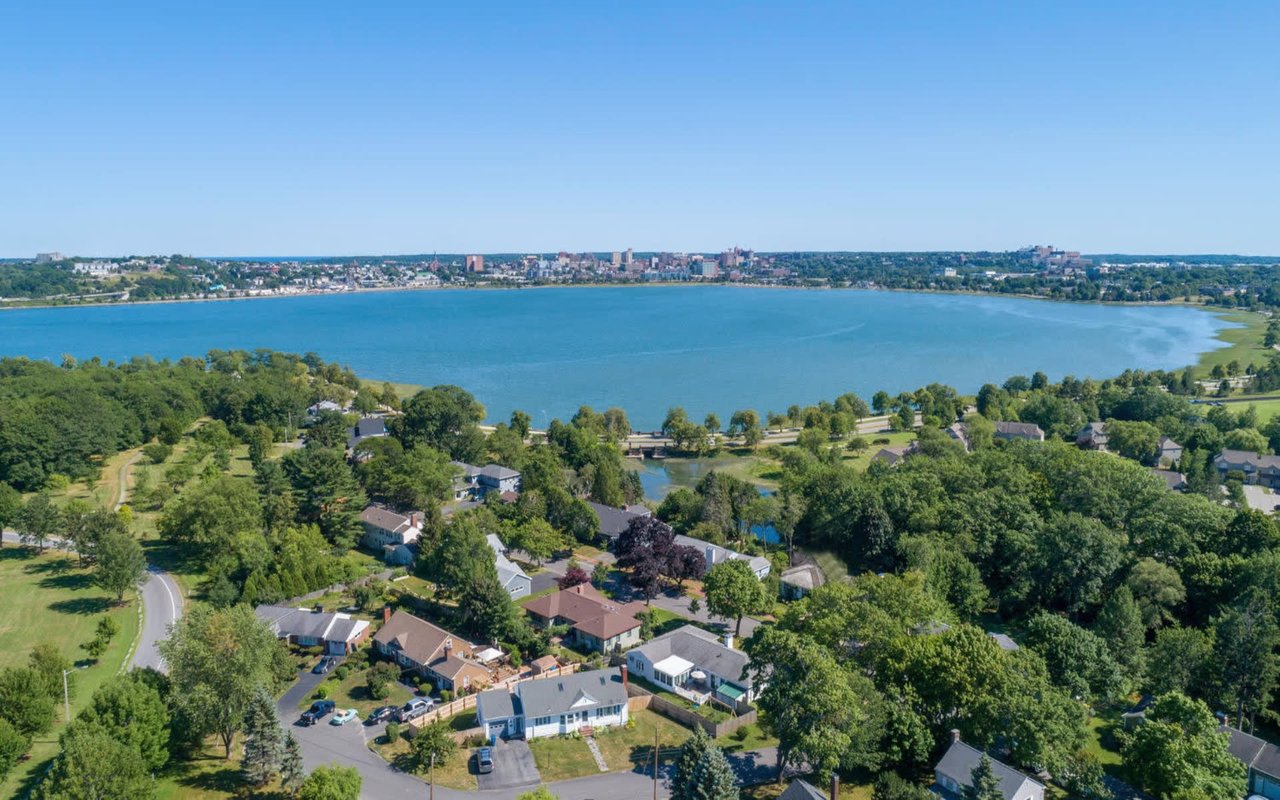
Portland’s waterfront is not one uniform condo market. City planning materials and local waterfront history show that the area works more like several overlapping submarkets, including the Eastern Promenade and East End, the Commercial Street core, and the western waterfront near the Fore River.
That matters because value is shaped by the specific block, surrounding activity, access to the water, and future development pressure. Two condos may both be called “waterfront,” but the day-to-day experience can feel very different.
East End and Eastern Waterfront
The eastern waterfront often appeals to buyers looking for water views, trail access, and a more residential setting. Planning materials connect this area to public access improvements, utilities, and view corridors tied to the Eastern Promenade and nearby waterfront paths.
For you as a buyer, that can translate into strong long-term appeal if you want a quieter in-town lifestyle with easy access to the waterfront. It is still important to study each parcel closely, but this area may feel more neighborhood-oriented than busier commercial stretches.
Commercial Street and Old Port
Commercial Street offers one of Portland’s most recognizable waterfront settings. It blends marine activity, restaurants, offices, visitors, and residential uses in one active corridor.
That energy can be a major plus if you want convenience and a lively atmosphere. It can also mean more delivery traffic, more evening noise, and a busier streetscape, so a luxury condo here should be judged in part by how the building handles privacy, parking access, and sound buffering.
Western Waterfront and Fore River
The western waterfront has a different character. Local history sources describe it as more oriented to port and freight uses, which can create a very different feel from the eastern side of the waterfront.
If you are looking for a traditional luxury condo environment, this distinction is important. A harbor-facing address near active port uses may offer compelling views, but the setting may not match every buyer’s idea of luxury living.
Evaluate the View More Carefully
A water view is not just a yes-or-no feature. In Portland, view quality depends on orientation, floor level, openness, and the possibility of future infill nearby.
Planning materials for the eastern waterfront place real emphasis on view corridors and public access. That makes it smart to ask whether a view is protected, partial, or potentially vulnerable to future development on nearby sites.
Ask These View Questions
When you tour a condo, consider:
- Does the unit face open water, a marina, or a partially blocked corridor?
- What floor is the unit on?
- Are there vacant or underused parcels nearby that could change sightlines?
- Do shared outdoor areas improve the experience even if the interior view is limited?
A dramatic view can justify a premium, but only if you understand how durable that view may be.
Look Beyond Square Footage
In luxury waterfront condos, daily livability often matters more than raw size. A slightly smaller unit with strong light, a usable terrace, and smart flow can feel better than a larger unit with limited outdoor access.
Current Portland waterfront projects regularly highlight private terraces, expansive decks, rooftop spaces, and connections to trails, plazas, parks, and marinas. Those features can make a condo feel more spacious and more aligned with the in-town, low-maintenance lifestyle many buyers want.
Outdoor Space Can Change the Value Equation
If outdoor living matters to you, pay attention to how the space actually functions. A narrow balcony and a true terrace are not the same thing.
Think about whether you would really use the outdoor space for dining, relaxing, or entertaining. On the waterfront, usable outdoor space can be one of the strongest differentiators between similar units.
Compare Amenities by Your Lifestyle
Amenities only add value when they match the way you live. Portland waterfront projects show a wide range of offerings, from trails and plazas to fitness spaces, co-working areas, pools, bike storage, EV charging, marina access, and market-focused mixed-use environments.
Instead of being impressed by a long amenity list, focus on what you will use weekly. Features that support your actual routine tend to hold more personal value and often stronger resale appeal.
Amenities Worth Weighing Closely
Consider how these features fit your needs:
- Private terraces or large decks
- Onsite parking or garage parking
- Elevator access
- Fitness or wellness spaces
- Bike storage and trail access
- Shared outdoor plazas or courtyards
- Marina or paddling access
- EV charging
A building with fewer amenities may still be the better choice if the features are more practical for your lifestyle.
Treat Parking as a Major Value Driver
Parking can have a meaningful impact on both convenience and resale value on Portland’s waterfront. Newer and higher-end projects often present parking as a premium feature, and some emphasize gated, covered garages or direct-entry elevator access.
Do not assume that a parking arrangement is simple. You should verify exactly how parking rights are assigned and documented in the condominium declaration and resale package.
Review Parking Details Carefully
Before you move forward, confirm:
- Whether parking is deeded, assigned, or limited common element use
- Whether spaces are covered or uncovered
- How guest parking works, if any
- Whether garage access affects monthly fees or maintenance obligations
Small differences in parking structure can create big differences in convenience and future marketability.
Review the HOA With Extra Care
For a luxury waterfront condo, the homeowners association is central to your decision. Maine’s Condominium Act gives associations authority to adopt rules, prepare budgets, maintain reserves, and collect common-expense assessments.
In a resale, Maine law also requires the seller to provide important documents, including the declaration, bylaws, rules, and a current certificate covering monthly assessments, other fees, reserve amounts, the current budget, anticipated capital expenditures, insurance, and known litigation or code issues.
Focus on the Right HOA Questions
As you review the resale package, ask:
- Do the monthly fees match the level of service and maintenance?
- Are reserve funds adequate?
- Are there anticipated capital projects?
- Has the association disclosed known litigation or code issues?
- Do the rules fit the way you plan to use the property?
In a waterfront building, this review is especially important because the cost of maintaining common systems can be significant.
Check Association Records and Building Systems
Maine law requires condominium associations to keep financial statements, tax returns, minutes, governing documents, contracts, and records related to architectural approvals. Owners generally have access to these records with notice.
For you, that means there is a paper trail to help evaluate how the building is managed. In a luxury waterfront setting, records can be especially useful for understanding long-term planning around elevators, garages, exterior systems, and other shared elements.
Make Flood and Shoreland Due Diligence Part of the Core Review
On Portland’s waterfront, flood exposure should be part of your initial screening process. Maine DEP explains that the Mandatory Shoreland Zoning Act covers land within 250 feet of tidal waters and is intended to protect against issues such as flooding, erosion, and loss of access.
Insurance matters too. Maine insurance guidance notes that standard homeowners policies generally exclude flood damage, and flood insurance is typically purchased separately through the National Flood Insurance Program or participating insurers.
Add These Items to Your Checklist
Before you buy, review:
- Flood zone status
- Estimated flood insurance cost
- Shoreland zoning conditions
- Any nonconforming setback issues
- Building-specific insurance information in the resale documents
These are not minor details on the waterfront. They can affect ownership cost, risk, and long-term flexibility.
Use Current Projects as Benchmarks
Portland’s newer and high-end waterfront projects can help you compare what “luxury” really means in this market. Some emphasize broad neighborhood placemaking with trails, plazas, paddling access, marina connections, and market-style amenities. Others focus on privacy, panoramic views, direct elevator entry, or smaller-scale boutique living.
That range is useful because it shows there is no single formula for a great waterfront condo. The best fit depends on whether you value a vibrant mixed-use environment, a quieter East End setting, expansive amenities, or a more intimate building.
What Portland Examples Show Buyers
Recent examples in the market illustrate a few clear patterns:
- Some luxury condos derive value from both the residence and the surrounding neighborhood plan.
- Smaller East End projects may appeal to buyers who want a quieter setting.
- Amenity-rich waterfront developments can compete with more traditional condo buildings by offering stronger daily convenience.
- Historic and newly built properties may command premiums for very different reasons.
The key is to compare each option based on the lifestyle it delivers, not just the price per square foot.
A Smarter Way to Compare Waterfront Condos
If you want to evaluate luxury condos on Portland’s waterfront with more confidence, focus on five areas first: district, view durability, outdoor living, HOA strength, and flood or shoreland due diligence. These factors often explain value more clearly than finishes alone.
In a market as nuanced as Portland’s waterfront, local block-by-block insight can make a real difference. If you are exploring waterfront condo opportunities in Portland or anywhere along Coastal Maine, Town and Shore Real Estate offers thoughtful, locally rooted guidance tailored to distinctive properties.
FAQs
What should you compare first when evaluating Portland waterfront condos?
- Start with the specific waterfront district, because Portland’s eastern waterfront, Commercial Street area, and western waterfront can offer very different settings, access patterns, and long-term value drivers.
How important are views in Portland luxury waterfront condos?
- Views are very important, but you should evaluate how open they are, what floor the unit is on, and whether future nearby development could affect sightlines over time.
Why does parking matter in Portland waterfront condo purchases?
- Parking can be a premium feature on the waterfront, and the way rights are assigned or documented can affect convenience, monthly costs, and resale appeal.
What documents should you review for a Maine condo resale?
- Maine law requires sellers to provide documents such as the declaration, bylaws, rules, and a certificate covering assessments, fees, reserves, budget, insurance, and known litigation or code issues.
Do Portland waterfront condo buyers need to check flood risk?
- Yes, flood zone status, flood insurance costs, shoreland zoning conditions, and related property constraints should be part of your core due diligence when buying near tidal waters.
Are all luxury waterfront condos in Portland similar?
- No, current projects show a wide range of lifestyles, from quieter boutique East End buildings to mixed-use waterfront communities with broader amenities and public access features.