Thinking about a move to Freeport? It is easy to know the town for shopping and day trips, but living here offers a much broader picture. If you are weighing a relocation to Southern Maine, Freeport gives you a rare mix of village energy, coastal access, and quieter inland space. This guide will help you understand how Freeport is laid out, what daily life can look like, and how to narrow your home search with confidence. Let’s dive in.
Why Freeport Draws Relocating Buyers
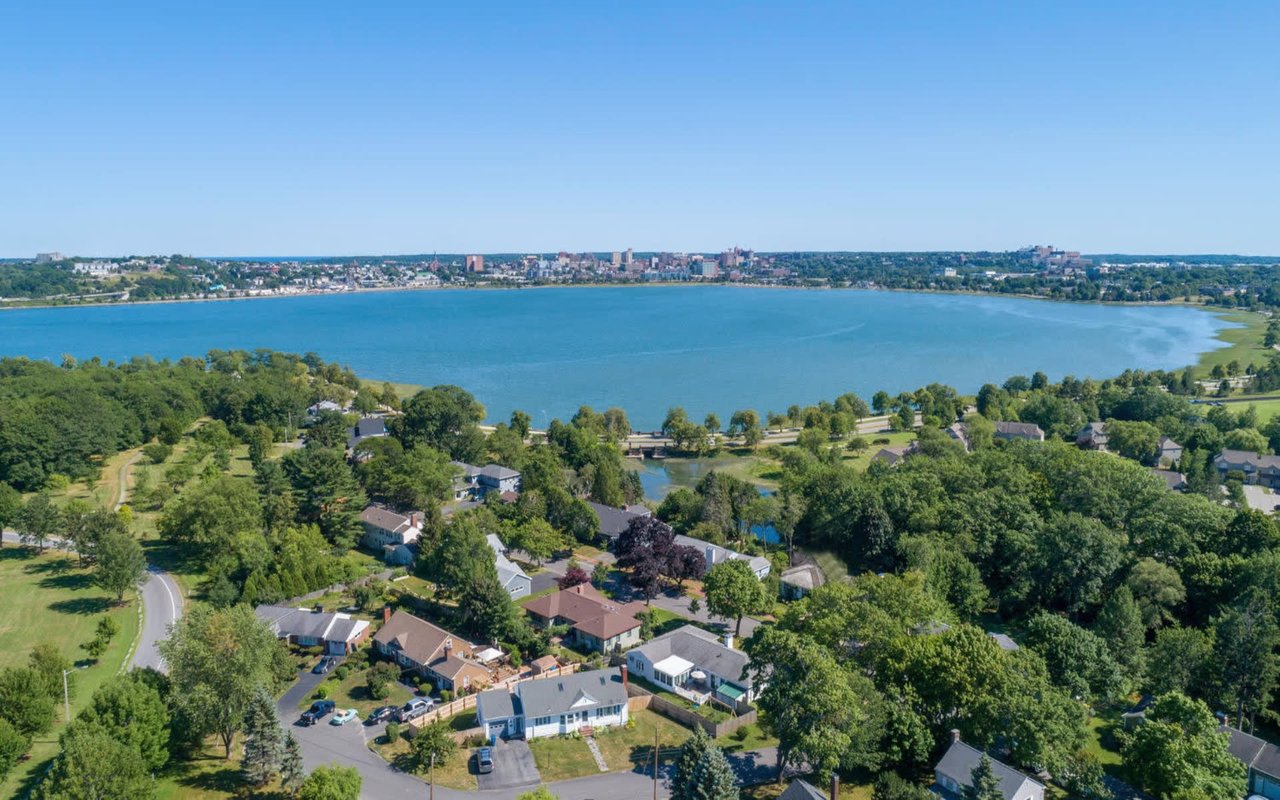
Freeport sits in Cumberland County along the northern edge of Casco Bay, about twenty minutes from Portland. That location gives you access to a major employment and service hub while still offering a distinctly smaller-town feel. For many buyers, that balance is the starting point.
Freeport also has more than one identity. The town describes a lively village area with shops, restaurants, lodging, events, and historic points of interest. Outside that core, you will find rural landscapes, historic architecture, and coastal scenery that create a very different day-to-day experience.
The town’s 2025 Comprehensive Plan makes that contrast even clearer. Future growth is intended to be focused in the Downtown Village and along parts of Route 1, while coastal beauty, rural landscapes, historic character, and natural resources are preserved elsewhere. For you as a buyer, that means location within Freeport matters just as much as choosing the home itself.
Freeport by the Numbers
A few key data points can help you frame the market and lifestyle before you begin your search.
- Population estimate: 8,877 as of July 1, 2024
- Land area: 34.74 square miles
- Median household income: $108,864
- Owner-occupied housing rate: 76.7%
- Median value of owner-occupied homes: $445,800
- Median gross rent: $1,436
- Median monthly owner cost with a mortgage: $1,975
- Mean travel time to work: 23.7 minutes
- Residents living in the same house one year ago: 88.3%
Taken together, these figures suggest a town with a stable residential base and a strong ownership profile. If you are relocating for long-term lifestyle reasons rather than a short stop, Freeport may feel like a natural fit.
What Daily Life Feels Like
One of the biggest questions in any move is simple: what will your everyday routine actually look like? In Freeport, the answer depends a lot on where you live within town.
If you choose a home near the Village or Route 1 corridor, your day may include easier access to shops, restaurants, local services, and transportation connections. If you buy farther inland, you may trade some convenience for more open space and a quieter setting. If you head toward the water, you may prioritize scenery, harbor access, and a more coastal rhythm.
That variety is one of Freeport’s biggest strengths. It gives you several different ways to live in the same town, depending on what matters most to you.
Commute and Transportation Options
Freeport is not just a drive-everywhere town. Its transportation picture is more flexible than many buyers expect, which can be especially helpful if you are relocating from a place where you value options.
Portland is about twenty minutes away according to the town, and the Census reports a mean travel time to work of 23.7 minutes. That makes Freeport a realistic choice for many people who work in or around Portland but want a different setting at home.
Train access is another plus. Amtrak’s Downeaster serves Freeport with multiple daily departures, and Portland appears about 35 minutes after Freeport on the southbound schedule. For some buyers, that can add a useful layer of convenience for commuting or regional travel.
The BREEZ express bus also connects Portland, Yarmouth, Freeport, and Brunswick. It runs 17 round trips on weekdays and 6 on Saturdays, which adds another option for getting around without relying only on a car.
Understanding Freeport’s Three Main Settings
When buyers say they want to live in Freeport, they are often describing very different goals. The town’s zoning and planning documents show a range of districts, including village, mixed-use, rural residential, marine waterfront, and resource protection areas. In practical terms, your search usually falls into one of three broad settings.
Village and Route 1 Living
If you want access to local businesses, dining, services, and a more active town center, the Village and Route 1 corridor may be the best place to focus. This is where the town is directing much of its growth and redevelopment attention. It is also where planning efforts are centered around connectivity, public spaces, infill housing, and active transportation.
This setting can appeal to buyers who want a more connected lifestyle. You may find it easier to get to errands, events, and transportation options here than in other parts of town. It is also the area most aligned with future mixed-use and housing growth.
Coastal and South Freeport Living
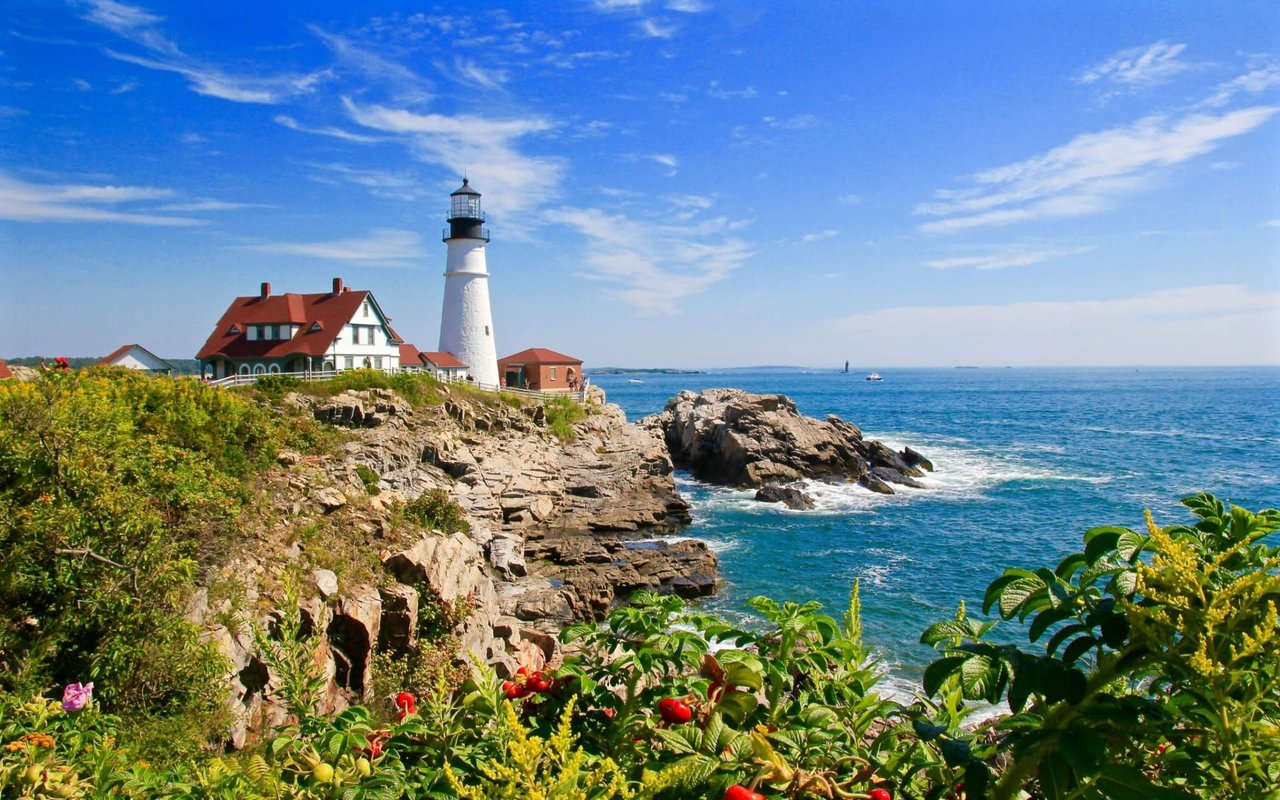
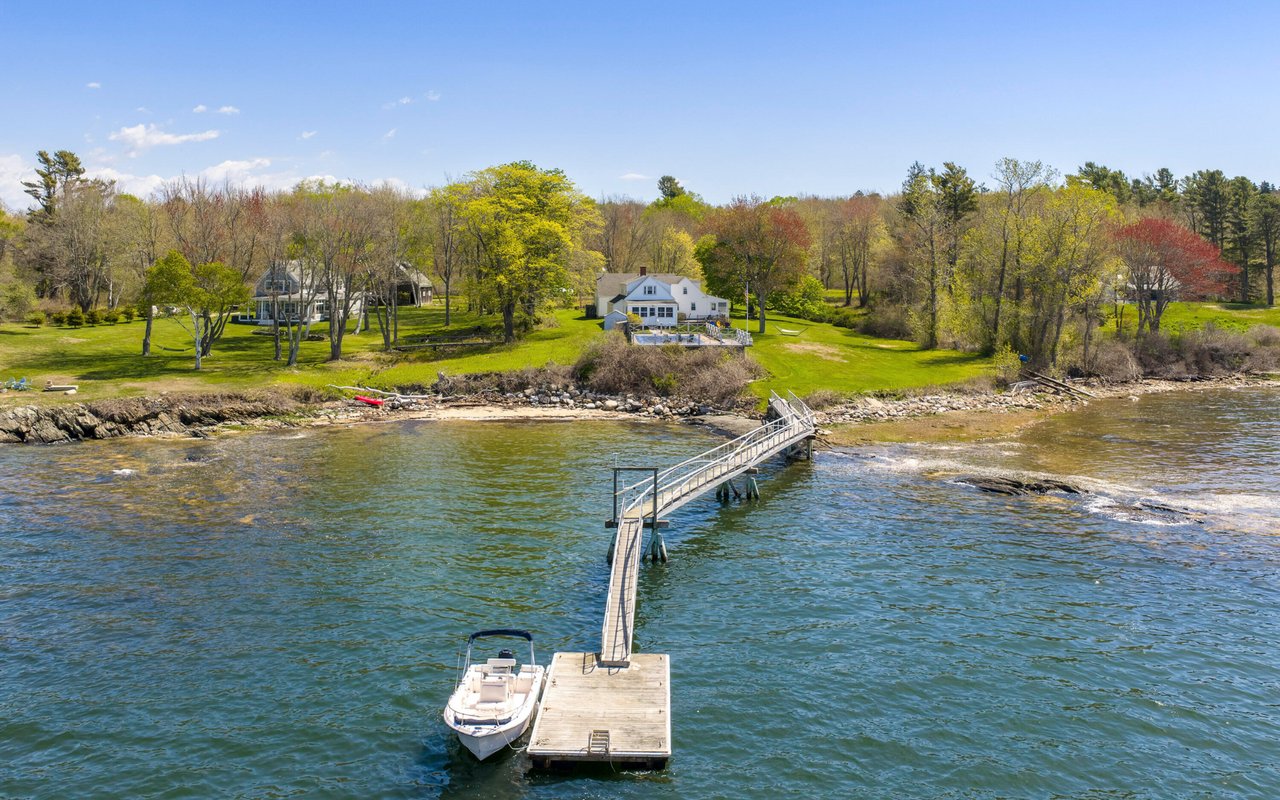
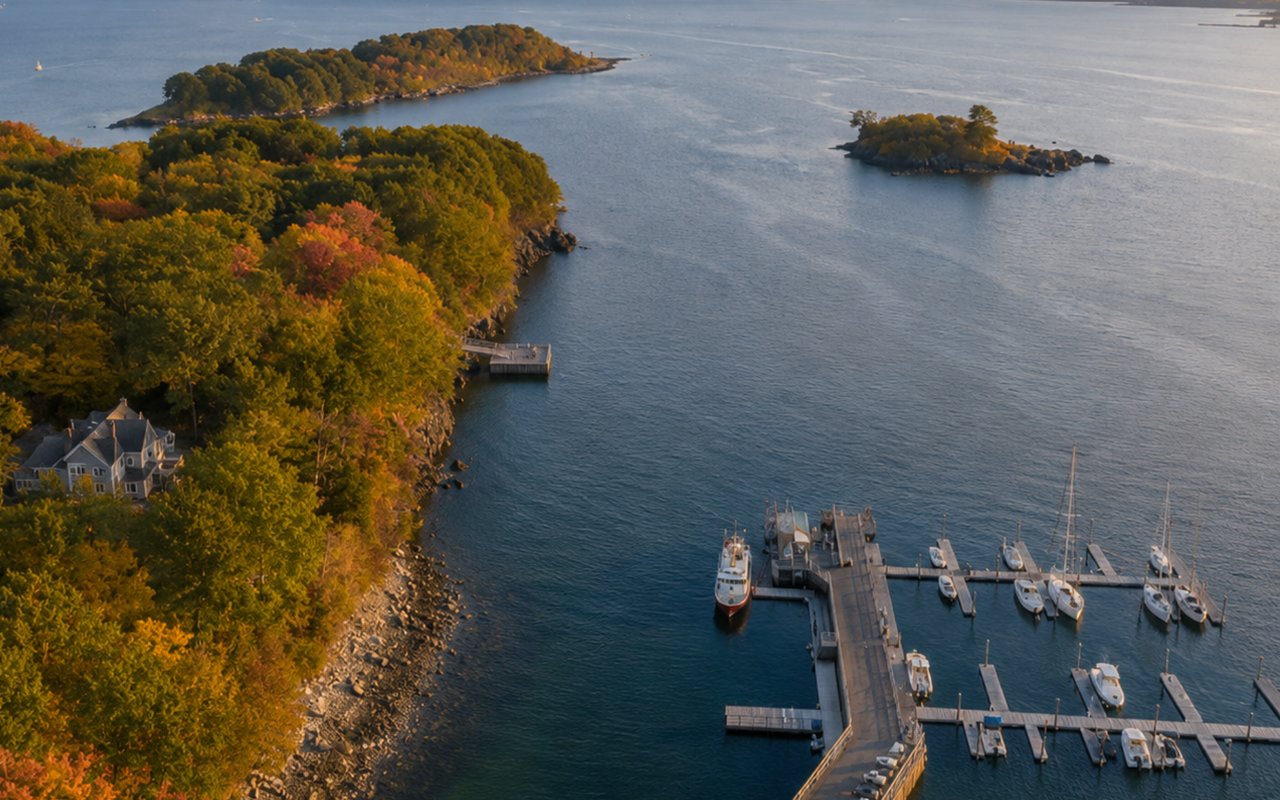
If your priority is water access, harbor views, or a classic Casco Bay setting, the coastal side of Freeport deserves a close look. The shoreline includes rocky coast, clam flats, estuarine areas, and the Harraseeket River harbor, which gives this part of town a very distinct character.
Winslow Park is one example of the coastal lifestyle many buyers are drawn to. It offers a tidal beach, wooded trails, a boat launch, and views of the harbor and Casco Bay. If you are considering waterfront or shoreland property, this area can be especially appealing, but it also comes with added layers of review.
The town notes coastal access points and FEMA floodplain mapping, and the zoning ordinance ties the Marine Waterfront District to shoreland zoning requirements. For you, that means a coastal purchase may require more careful due diligence around property rules and site constraints.
Inland and Rural Freeport
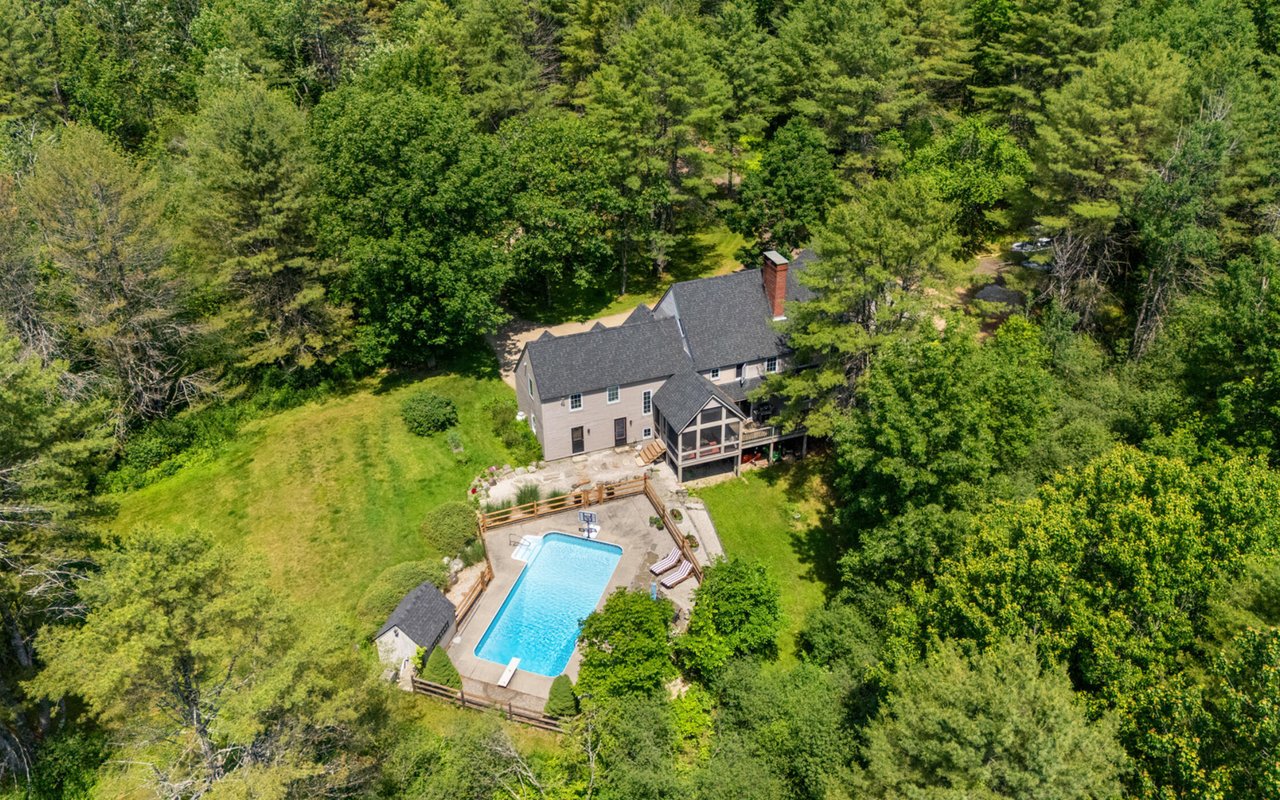
If you want more space, lower-density surroundings, and a quieter everyday pace, inland Freeport may be the best match. This part of town reflects the broader planning goal of protecting rural landscapes and open land while maintaining Freeport’s small-town character.
Freeport has more than 3,385 acres of conserved land, which is about 14% of its landmass. The town and local conservation groups also maintain trail systems, including the East Freeport Trail Network and South Freeport Trails. That can be a meaningful draw if outdoor access is part of the lifestyle you want.
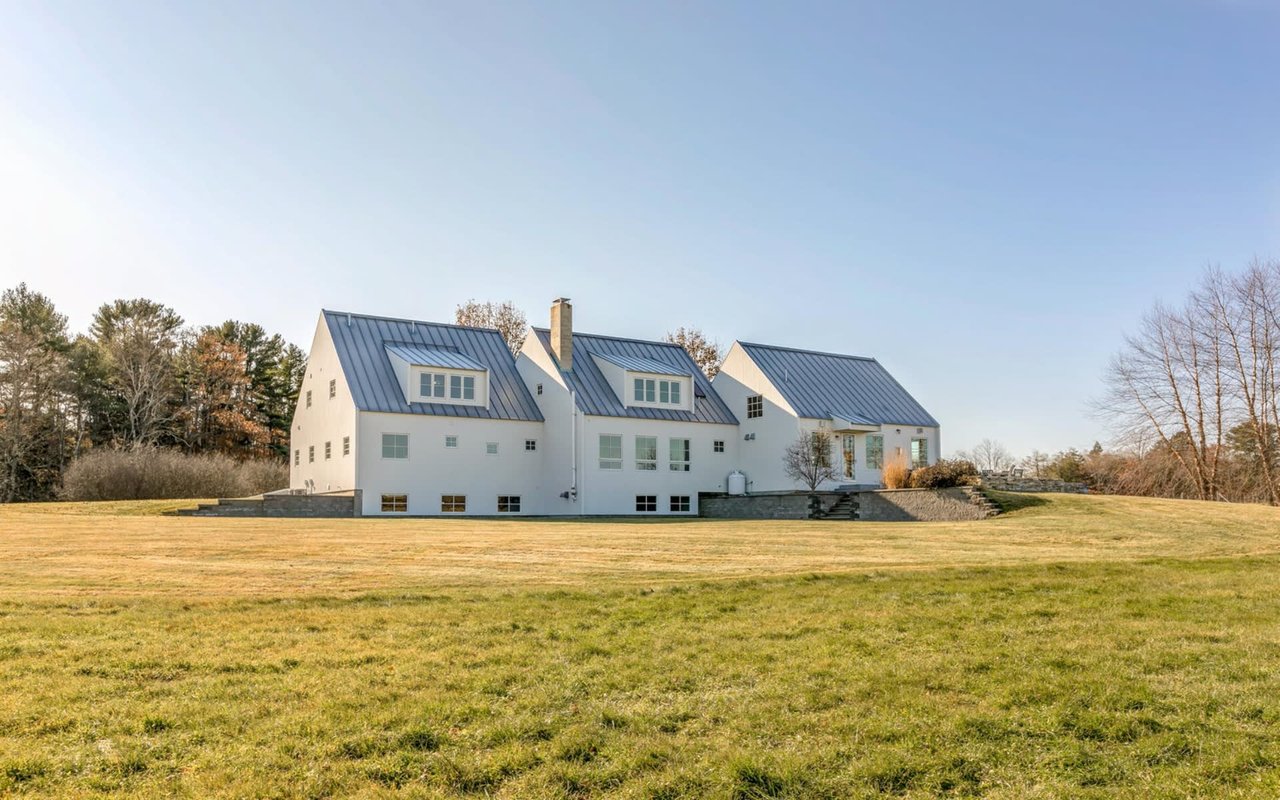
The housing landscape here can feel more countryside than village. Based on the town’s descriptions of farm fields, historic architecture, and the overall zoning pattern, older rural homes and farmhouse-era properties may be part of the inland mix, especially outside the village core.
What Growth Plans Mean for Buyers
Relocating buyers often want to know not just what a town is today, but where it is heading. In Freeport, the answer is relatively clear because the town has identified its primary growth areas.
The 2025 Comprehensive Plan calls for concentrating growth in the Downtown Village and along Route 1. The Village Corridor program also supports zoning updates aimed at new housing and mixed-use development along U.S. Route 1.
The town reports 138 multifamily housing units under development within the primary growth area downtown and along Route 1. If you are interested in newer housing options or want to be near the most active development areas, that is important context. If you prefer a setting less tied to future growth, inland or coastal areas outside the main corridor may deserve closer attention.
How to Narrow Your Home Search
A relocation search works best when you start with lifestyle priorities before property features. In Freeport, that approach is especially useful because the town offers several very different living environments.
Ask yourself a few practical questions:
- Do you want easier access to shops, restaurants, and services?
- Is water access or coastal scenery high on your list?
- Would you prefer more land and a quieter setting?
- How often will you commute to Portland or nearby towns?
- Are you comfortable with additional review if you buy near the shore?
- Do you want to be near Freeport’s primary growth and redevelopment areas?
Once you answer those questions, the map becomes easier to read. Instead of searching all of Freeport at once, you can focus on the parts of town that best support how you want to live.
Why Local Guidance Matters in Freeport
Freeport may look straightforward on a map, but it is a layered market. A home in the village, a property near the harbor, and a house in a rural district can each involve very different considerations around access, density, future development, and local regulations.
That is why local context matters so much in a relocation move. You are not just choosing a house. You are choosing a setting, a routine, and a long-term fit within one of Southern Maine’s most distinctive towns.
With deep roots in Greater Portland and Coastal Maine, Town and Shore Real Estate offers personalized guidance for buyers who want a thoughtful, informed approach to relocation. If Freeport is on your shortlist, our team can help you compare neighborhoods, property types, and lifestyle tradeoffs so you can move forward with clarity.
FAQs
What is the commute from Freeport to Portland like for homebuyers?
- Freeport is about twenty minutes from Portland according to the town, and the Census reports a mean travel time to work of 23.7 minutes. Buyers also have train and express bus options in addition to driving.
What areas of Freeport should relocating buyers compare first?
- Most buyers should start by comparing the Village and Route 1 corridor, the coastal and South Freeport area, and inland rural Freeport because each offers a different mix of access, scenery, and density.
What should buyers know about waterfront property in Freeport?
- Waterfront and shoreland properties may require additional review because the town’s zoning ordinance ties certain coastal areas to shoreland zoning rules, and floodplain mapping can also be relevant.
What parts of Freeport are expected to see more growth?
- The town’s planning documents say future growth should be concentrated in the Downtown Village and along parts of Route 1, including new housing and mixed-use development.
Does Freeport offer access to outdoor recreation for new residents?
- Yes. Freeport has more than 3,385 acres of conserved land and maintains trail systems such as the East Freeport Trail Network and South Freeport Trails, along with coastal recreation areas like Winslow Park.